
Every great story needs conflict, and in anime, villains often go far beyond being simple “bad guys.” They are complex, layered characters who challenge heroes not just with power, but with ideology and philosophy. Sometimes, they even make us question who the real villain is.
Two of the best examples come from Attack on Titan and Death Note—anime where the antagonists are as memorable as the protagonists. These shows highlight why we “love to hate” anime villains: they’re terrifying, charismatic, and sometimes even relatable.
Villains With Purpose – Not Just Evil
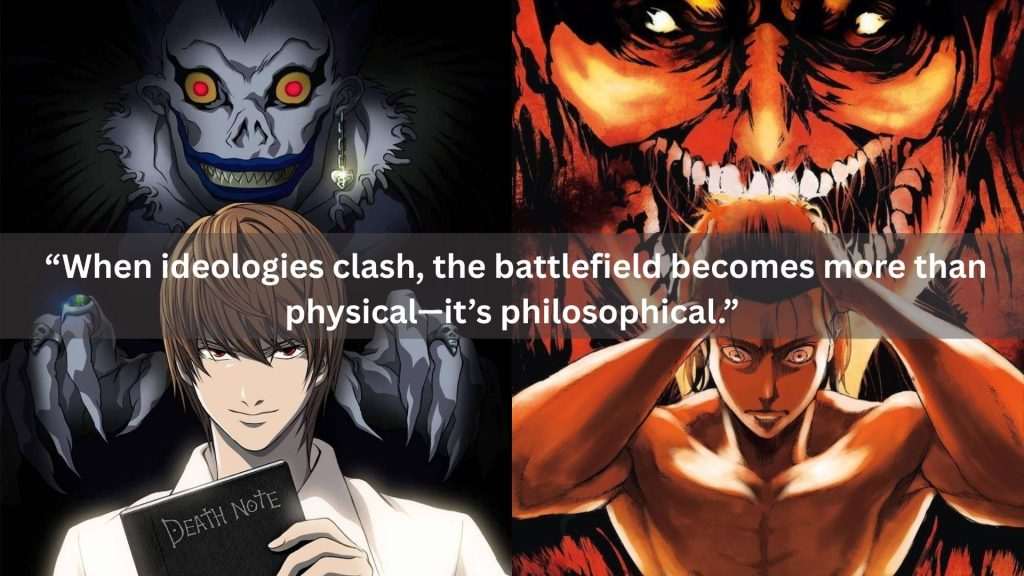
In Death Note, Light Yagami begins as a high school student who wants to rid the world of criminals. His descent into the infamous role of “Kira” isn’t fueled by chaos but by his warped vision of justice. He truly believes he’s creating a better world, which makes him more chilling than a mindless villain.
Similarly, in Attack on Titan, antagonists like Zeke Yeager and Reiner Braun fight not for greed, but for what they believe is right for their people. Their actions may be brutal, but their motives are deeply human—family, duty, and survival.
These layered motivations make anime villains fascinating because they blur the line between hero and villain.
The Battle of Ideologies
What makes anime villains unforgettable is how they challenge the hero’s worldview.
- In Death Note, Light’s god-like complex clashes with L’s belief in justice through law and morality. Their battle isn’t just about strategy; it’s about what “justice” truly means.
- In Attack on Titan, Eren Yeager himself transitions from hero to antagonist in the eyes of many, forcing viewers to question whether freedom is worth the cost of destroying others.
These ideological conflicts make villains more than obstacles—they become mirrors reflecting the flaws and strengths of the hero.
Tragedy Creates Sympathy
Some villains are shaped by heartbreaking pasts that add depth to their cruelty.
- Reiner in Attack on Titan is not only a warrior fighting for Marley but also a broken man torn between loyalty and guilt. His internal struggle makes us sympathize, even as he destroys the walls.
- Light Yagami in Death Note begins with noble intentions before being consumed by his own ambition. Watching his fall makes him both hateable and tragic.
This complexity draws us in—we despise their actions but can’t fully detach from their humanity.

Charisma That Commands Attention
Great anime villains are magnetic. They hold our gaze even when we know they’re wrong.
- Light Yagami’s calm, intellectual charisma makes him dangerously persuasive, a villain who feels like he could exist in our world.
- Zeke Yeager’s composed personality and tragic backstory make him one of the most compelling figures in Attack on Titan.
They’re villains we can’t look away from—because they’re written to be as fascinating as the heroes themselves.
Blurring the Line Between Hero and Villain
The best anime villains force us to ask: Is the hero truly right? Or are the villains simply telling a painful truth?
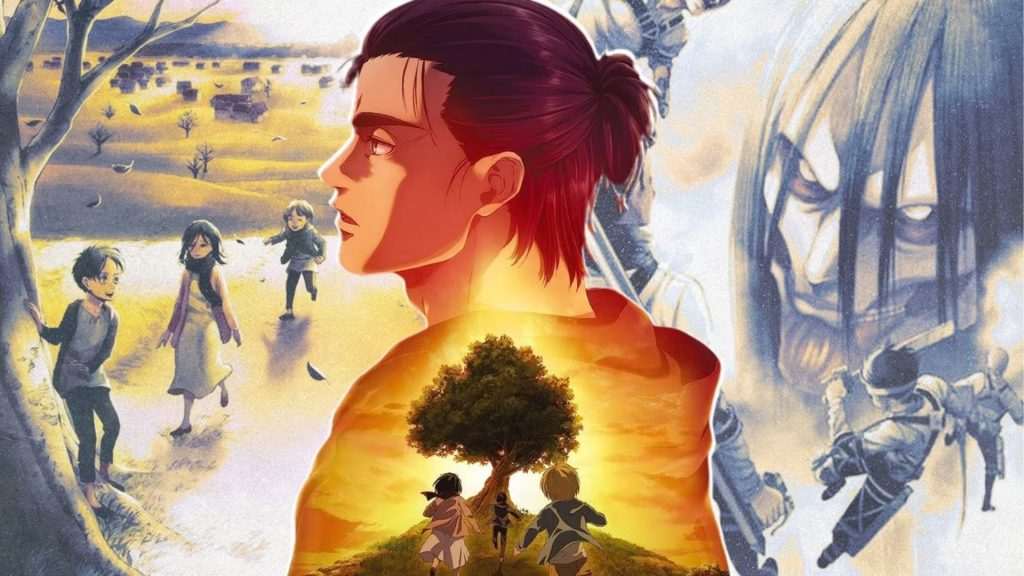
Eren Yeager is the perfect example—once the symbol of humanity’s hope, he later becomes its biggest threat. Similarly, Light starts as a protagonist we root for, but eventually transforms into the very evil he swore to fight.
This moral ambiguity is what keeps fans debating long after the final episode ends.
Final Thought
From Death Note’s Kira to Attack on Titan’s Reiner, Zeke, and even Eren himself, anime villains prove that evil is never black and white. They’re complex, layered, and unforgettable, making us love to hate them.
At the heart of it, anime antagonists are powerful storytellers—they force heroes to evolve, challenge our sense of morality, and remind us that the line between good and evil is never as clear as it seems.
Frequently Asked Questions (FAQ)
1. Why do anime villains feel more complex than Western villains?
Anime often explores the psychology and backstories of its villains, showing their pain, trauma, and beliefs rather than just labeling them “evil.”
2. Who is more iconic: Light Yagami or Eren Yeager?
Both are unforgettable, but Light represents a descent into villainy, while Eren represents a shift from hero to anti-hero. Each reflects different sides of human morality.
3. Are villains in Attack on Titan truly villains?
Not always. Many characters in AoT are soldiers fighting for their homeland, making them tragic antagonists rather than pure evil.
4. Why do fans sometimes root for villains?
Because their stories are relatable. Villains often represent desires, fears, or philosophies we secretly understand, even if their methods are extreme.
5. Can the protagonist of an anime also be the villain?
Yes—Death Note and Attack on Titan are perfect examples where the main characters themselves become the antagonists.