
Coffee isn’t just a drink—it’s a global culture, a daily ritual, and for many of us, the ultimate source of energy. But have you ever wondered where coffee really comes from? How did those tiny beans become one of the world’s most loved beverages?
Let’s take a journey through the fascinating history , from its legendary discovery in Ethiopia to the vibrant cafés of today—like BeatBrew Rave, Where Bean Meets Beat.
Coffee’s Legendary Beginning: Ethiopia
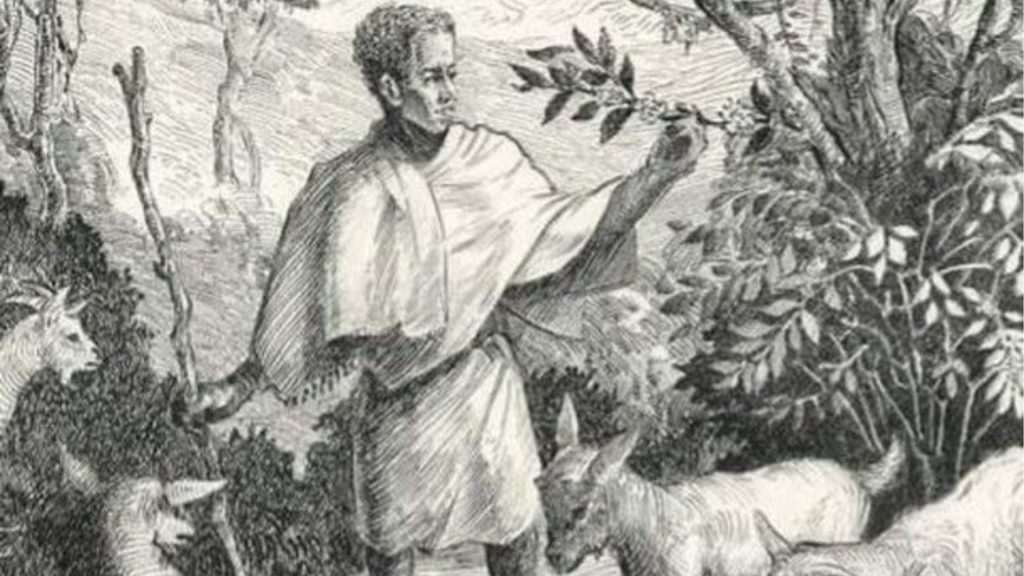
The story of coffee begins in Ethiopia around the 9th century. According to legend, a goat herder named Kaldi noticed his goats becoming unusually energetic after eating red berries from a certain bush. Curious, Kaldi tried them himself and felt the same burst of energy.
This “magical berry” soon became known as coffee, and its energizing power started to spread.
From Ethiopia to Arabia
By the 15th century, coffee had reached the Arabian Peninsula. It quickly became a popular drink in Yemen, especially in Sufi religious rituals. The Sufis used it to stay awake during long nights of prayer and meditation.
This is also where the earliest coffee houses, called qahveh khaneh, were born. They weren’t just places to drink coffee—they were social hubs filled with music, conversation, and ideas.
Coffee Reaches Europe
In the 17th century, coffee made its way to Europe through trade. At first, people were suspicious—some even called it the “bitter invention of Satan.” But once Pope Clement VIII tasted it, he declared coffee “delicious” and approved it for Christians to drink.
Soon after, coffee houses spread across major European cities like London, Paris, and Vienna. They became known as “penny universities” because, for the price of a cup of coffee, you could join intellectual discussions, debates, and business meetings.
The Rise of Coffee in the Americas
Coffee plants were eventually brought to the Caribbean and South America in the 18th century. Brazil, in particular, became a major producer and still remains the world’s largest coffee exporter today.
By this point, coffee had become a global phenomenon—uniting cultures and continents over one shared love: caffeine.
Coffee in the Modern World
Fast forward to today, and coffee has evolved into countless styles and brewing methods. From traditional espressos to creative cold brews, it’s no longer just a drink—it’s a lifestyle.
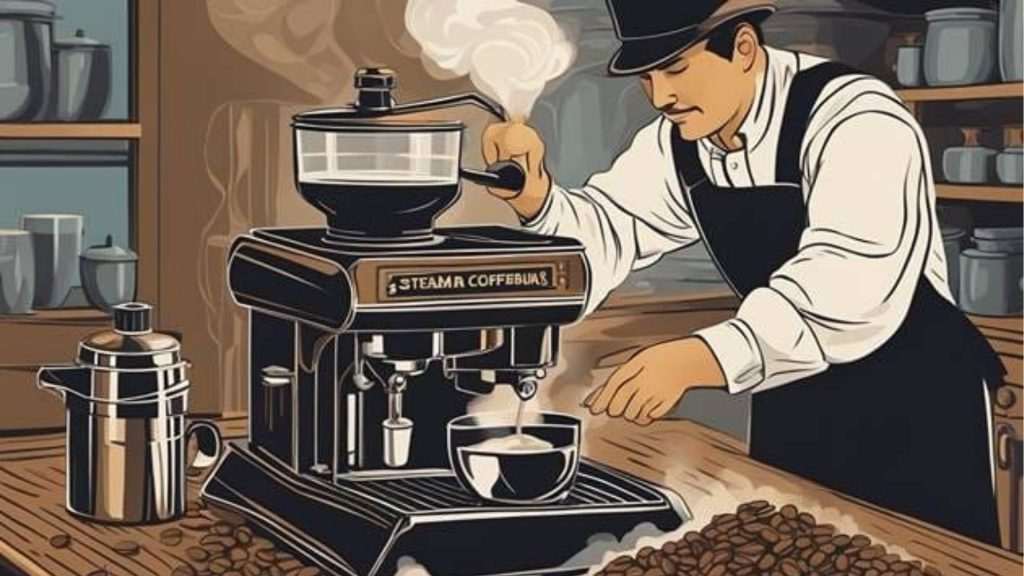
Specialty cafés around the world now experiment with flavors, techniques, and experiences. That’s exactly what we do at BeatBrew Rave—where we fuse the energy of EDM culture with specialty coffee. Imagine sipping a glowing cold brew under neon lights, or trying a spicy espresso shot that feels like a bass drop. Coffee has never been this exciting!
Coffee + Culture = BeatBrew Rave
At BeatBrew Rave, we celebrate coffee’s rich history while pushing it into the future. Just like those first coffee houses were hubs for conversation and culture, our concept café is a space where creativity, rhythm, and caffeine collide.
FAQs About the History of Coffee
1. Who discovered coffee?
Legend says coffee was discovered by Kaldi, an Ethiopian goat herder, in the 9th century.
2. When did coffee first spread globally?
Coffee spread from Ethiopia to Arabia in the 15th century, then to Europe in the 17th century, and finally to the Americas in the 18th century.
3. Why were coffee houses important?
Coffee houses were cultural hubs where people met to talk, debate, share music, and exchange ideas. They were often called “penny universities.”
4. Which country produces the most coffee today?
Brazil is the world’s largest coffee producer, followed by Vietnam and Colombia.
5. How does BeatBrew Rave honor coffee’s history?
We take inspiration from coffee’s cultural roots as a social connector while adding our own twist—blending specialty coffee with EDM vibes to create a one-of-a-kind experience.